New Construction Home Loans in Alabama: How Construction-to-Permanent Financing Works
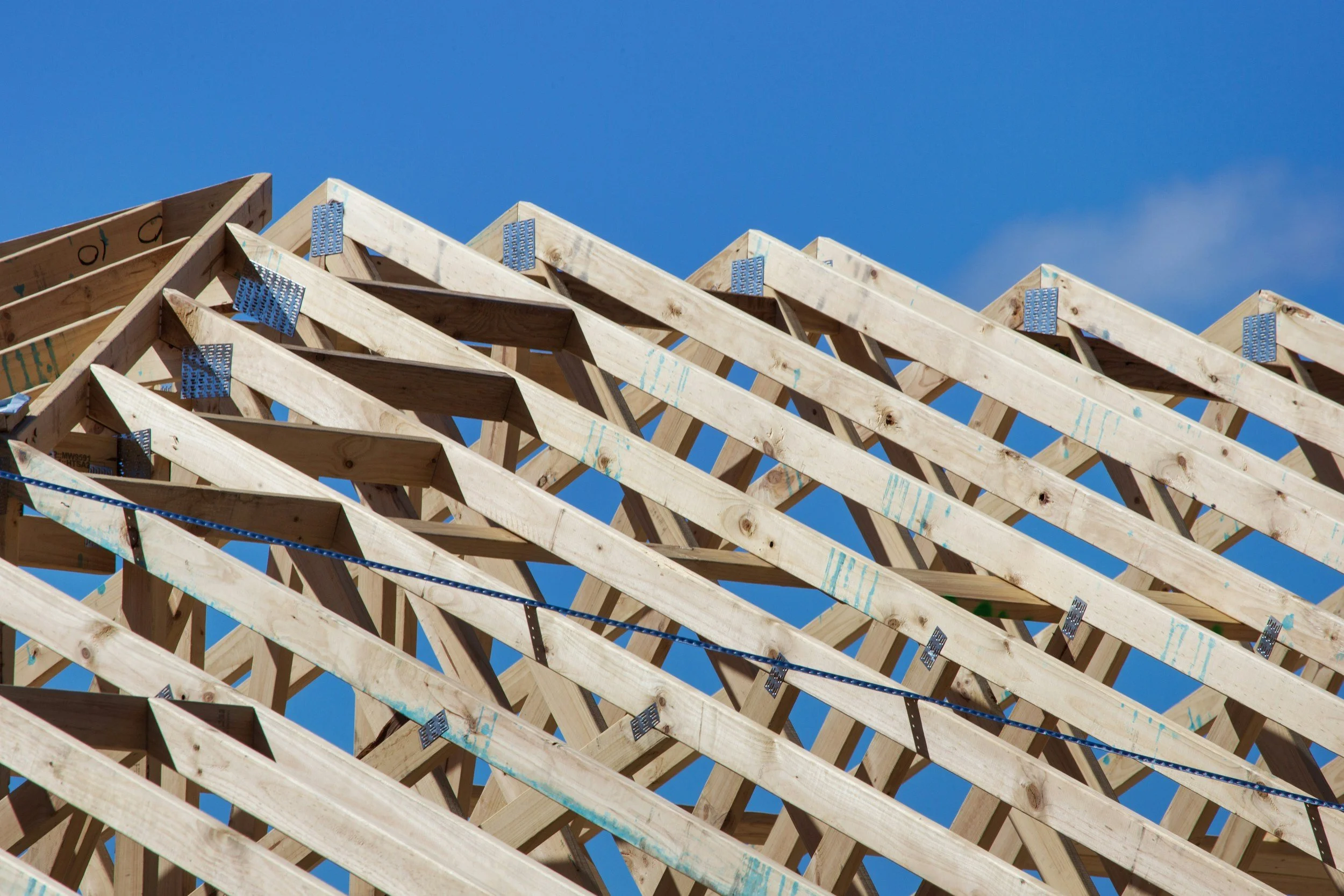
Exposed roof trusses on a new-construction build in Alabama, financed with a construction-to-permanent loan that rolls the build and mortgage into one closing.
Key Takeaways
This post is a 4 minute read.
A construction-to-permanent loan covers the build and your mortgage in one closing.
You pay interest only on the money drawn during construction.
Your permanent rate is locked before the first nail goes in.
FHA, VA, USDA, and conventional options can all fund new construction.
Down payments range from zero on some programs to 20% on others.
A licensed, approved builder is required before your loan can close.
Building a house in Alabama often runs $100 to $160 per square foot. That is a big project to finance. A regular mortgage does not work here, because the home does not exist yet. New construction uses its own kind of loan. The good news is that one loan can cover the whole thing. This guide breaks down how it works in plain terms.
What a Construction-to-Permanent Loan Is
A construction-to-permanent loan funds the building phase and your mortgage together. Lenders also call it a one-time close loan. You apply once and you close once. During the build, the loan pays your builder in stages. When the home is finished, the loan becomes a normal mortgage. You do not apply a second time. You also lock your permanent interest rate before construction starts. That protects you if rates rise while the house goes up.
How Draws and Interest-Only Payments Work
Your builder does not get all the money at once. The lender releases it in pieces called draws. A draw is a scheduled payment tied to finished work. For example, one draw might follow the foundation. Another might follow the framing. An inspector often checks the work before each draw. During this phase, you pay interest only. That means you pay interest on the money drawn so far, not the full loan. Your payment starts small and grows as the house progresses. Once the home is done, full mortgage payments begin.
One Closing Versus Two
Some buyers use two separate loans instead. First a short-term construction loan, then a new mortgage to pay it off. That path means two closings and two sets of closing costs. It also means qualifying twice. A one-time close loan avoids the second round. You save on fees and paperwork. You also avoid the risk of not qualifying later. For many Alabama buyers, one closing is simpler and cheaper.
What It Costs to Build in Alabama
Alabama is one of the more affordable states to build in. Standard production homes often run $100 to $160 per square foot. That sits below the national average near $120 per square foot. Costs shift by region across the state. Building near Mobile can start around $100 per square foot. Birmingham often starts closer to $150 per square foot. A typical new home here can land between $350,000 and $750,000. Those figures usually exclude the land and site prep. Your loan amount depends on the build budget and your plans.
Loan Programs That Fund New Construction
Several loan types can pay for a new build. Conventional construction loans usually want 5% to 20% down. They often look for a credit score around 680 or higher. FHA construction loans can start at 3.5% down. FHA also allows lower credit scores than conventional loans, and it helps to know how FHA and conventional loans compare. VA construction loans can offer zero down for eligible veterans. USDA construction loans can offer zero down in eligible rural areas. Many parts of Tallapoosa County and the Lake Martin region qualify as rural. Down payment assistance options may help with upfront cash on some loans. Keep in mind that assistance can act as a second loan, depending on how it is structured. Ask us which programs fit your situation and property.
What Lenders Look For Before You Break Ground
Construction loans have a few extra steps. You need a licensed, approved builder under contract. The lender reviews the builder's background and experience. You provide detailed plans, a budget, and a build timeline. The appraisal is based on those plans, not an existing home. Lenders also check your credit, income, and debts. Getting pre-approved early tells you your budget before you design. That saves time and prevents costly changes later.
Frequently Asked Questions
What is a one-time close construction loan?
It is a single loan that funds your home's construction and then converts to a permanent mortgage. You close once and lock your rate before building starts.
Do I make full mortgage payments while my home is being built?
No. During construction you usually pay interest only on the funds drawn so far. Full principal and interest payments begin after the home is complete.
How much down payment do I need to build a house in Alabama?
It depends on the program. Conventional loans often want 5% to 20% down. FHA can start at 3.5%, and VA or USDA may allow zero down for eligible buyers.
Can I build in a rural area near Lake Martin with a USDA loan?
Often yes. Many rural parts of Tallapoosa County and around Lake Martin meet USDA eligibility maps. Eligibility depends on the exact property location.
Do I need to pick a builder before I get the loan?
Yes. Lenders require a licensed, approved builder and a signed contract. They review the builder's experience as part of the approval.
Is it cheaper to build or buy an existing home in Alabama?
It varies by market and finishes. Building gives you control but adds time and site costs. We can compare both paths for your budget.
Trey Foshee NMLS #2654005 | Hunter McBride NMLS #2674392 | Joe Taunton NMLS #953010
Breeze Mortgage is powered by Edge Home Finance, LLC. NMLS #891464. Equal Housing Lender. This content is for informational purposes only and is not a commitment to lend. All loans are subject to credit approval, underwriting guidelines, and property eligibility requirements. Down payment assistance programs, availability, eligibility requirements, and funding are subject to change without notice. Contact Breeze Mortgage for current program details and to determine what options may be available for your specific situation.
